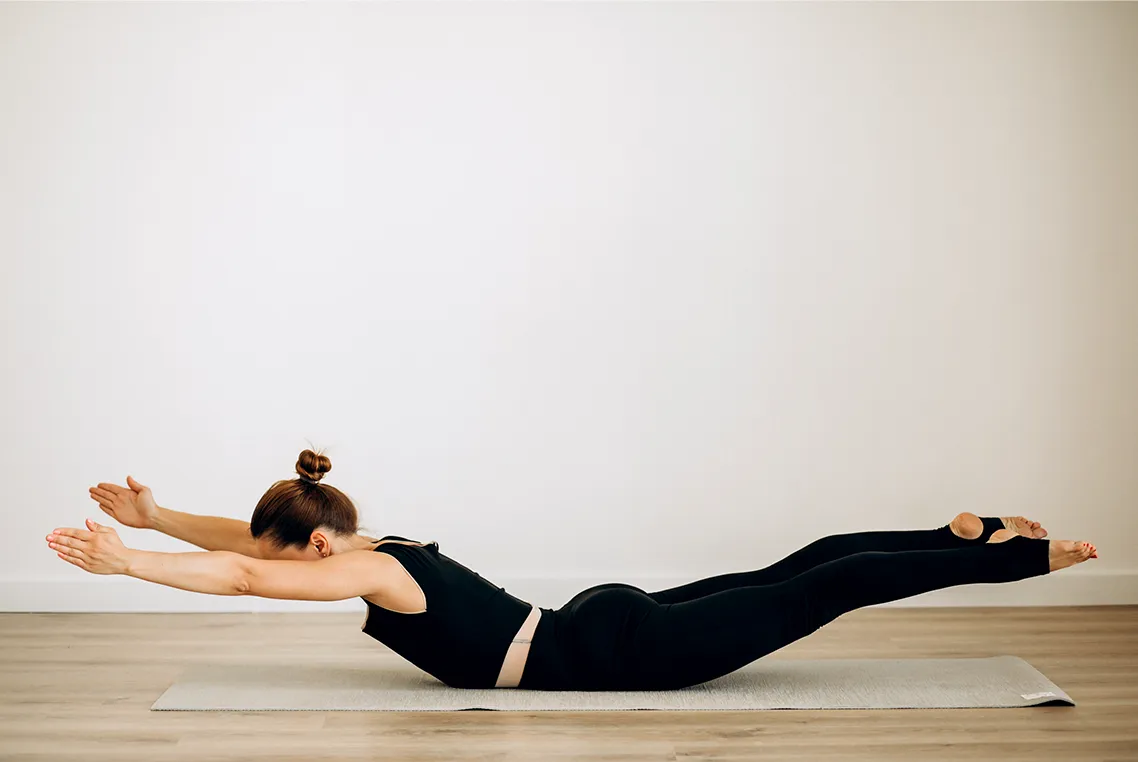
Beginner Pilates Instructor Course: 5 Myths That Could Be Holding You Back
Interest in Pilates often begins quietly. You might notice how…


Starting a Pilates teaching course can feel both exciting and daunting. On one hand, you’re taking a big step towards a fulfilling career that allows you to share the benefits of Pilates with others. On the other hand, the idea of assessments, anatomy modules, and standing in front of a class might bring up nerves. That mix of anticipation and self-doubt is completely natural.
The reassuring truth is this: confidence doesn’t appear overnight, but it can be built. With the right preparation, mindset, and understanding of what a Pilates teaching course involves, you can begin your training journey feeling ready and empowered. Whether your goal is to become a part-time instructor or to launch a full-time career, approaching your studies with confidence makes all the difference.
One of the first questions people ask is whether they need years of advanced Pilates practice before enrolling. The answer is no. Courses like the Advanced Diploma in Pilates Matwork at NTC are designed to welcome students from varied backgrounds, including fitness professionals, yoga practitioners, and even complete career changers. What matters most is a genuine interest in Pilates and a willingness to learn.
Some programmes may ask for basic experience attending classes, simply so you’re familiar with the movements and principles. Others may require a general fitness qualification, especially if the course is at a higher level. Checking prerequisites before applying ensures you don’t face surprises later. If you’re uncertain, contacting the training provider for guidance is the best way forward.
Preparation goes beyond signing up. To step into your course with confidence, it helps to establish a regular personal Pilates practice in the months leading up to training. This way, the exercises feel more natural. Moreover, you’ll have a better understanding of how your own body responds to them.
Mentally, it’s just as important to manage expectations. Many students worry about making mistakes or not keeping up. Remember that a Pilates teaching course is designed to teach you, not test you on what you already know. Adopting a growth mindset, where you view challenges as opportunities to improve, will reduce stress and keep your confidence intact.
Knowing what lies ahead can ease a lot of anxiety. A Pilates training course doesn’t only cover how to perform exercises. It equips you with the skills to teach them effectively. You’ll study areas such as anatomy and physiology, biomechanics, safe class design, and cueing techniques. These modules ensure you understand not only the what but the why behind every movement.
Anatomy and physiology modules give you insight into how the body functions and how different systems interact during exercise. This knowledge helps you recognise limitations, adapt exercises safely, and reduce injury risk. The course also places strong emphasis on posture, movement science, and alignment, showing you how to guide clients towards safe and effective performance.
You’ll also spend significant time on teaching practice. Cueing is one of the most valuable skills you’ll develop. This includes knowing how to guide clients clearly and effectively using both verbal and visual prompts. Class design is another focus, ensuring you can structure sessions that flow logically while catering to different ability levels.
Most courses also include assessments to test both your knowledge and teaching skills. Written exams may cover anatomy, while practical assessments require you to lead classes or individual sessions. These assessments may feel intimidating at first, but they’re designed to support your development, giving you confidence that you’re meeting professional standards.
A common misconception about Pilates is that only highly flexible people can teach it. Many prospective students hesitate to apply because they assume they need to touch their toes with ease or master advanced moves before stepping into training. The reality is quite different.
Flexibility is not a requirement for teaching Pilates. What matters is your ability to communicate, demonstrate safe technique, and adapt exercises to suit clients of all abilities. In fact, sometimes instructors who aren’t naturally hyper-flexible make more relatable teachers because they understand what it’s like to work within limitations. If you have a solid grasp of alignment, progression, and safe practice, you can become an excellent instructor regardless of your flexibility levels.
Even with preparation, nerves may still show up once you’re in the classroom. The key is to see yourself as a learner, not someone expected to be perfect from day one. Asking questions, participating in discussions, and practising openly are signs of engagement not weakness.
Confidence also grows through repetition. The more times you guide others through an exercise, the more natural it feels. Embrace constructive criticism. Also, remember that every experienced instructor you admire once stood where you are now—uncertain, nervous, and learning on the job.
Many students worry about how to fit training around existing commitments. The good news is that most providers offer different formats, including weekend courses, part-time study, or intensive blocks. Choosing the right option depends on your schedule and learning style.
If you work full-time or have family responsibilities, a weekend or evening Pilates certification course format might be ideal. This will give you time to absorb the material without rushing. On the other hand, if you want to qualify quickly and can commit fully, an intensive course may suit you better. Either way, the best Pilates teaching course is one that aligns with your lifestyle and gives you space to learn at a comfortable pace.
One of the most important factors in choosing a course is accreditation. Not all qualifications carry the same weight or recognition. More importantly, for anyone looking to build a career or even start teaching casually, this matters a great deal.
For example, the Advanced Diploma in Pilates Matwork at NTC is accredited at EQF Level 4, the highest Pilates teaching standard in Europe. It is also recognised by REPs Ireland, the professional register for exercise professionals. This makes it unique in Ireland and ensures that graduates hold a qualification respected both nationally and internationally.
Why does this matter? Being EQF 4-accredited and REPs-recognised means your training meets rigorous international and national benchmarks. It boosts your credibility with employers and trainees alike. This can build your confidence as an instructor because you know your training aligns with industry standards.
When you choose an accredited Pilates teaching course like NTC’s, you’re choosing a pathway designed with both professional integrity and learner confidence in mind.
Finishing your training is only the beginning of your teaching journey. The transition from student to instructor can feel daunting, but there are ways to build confidence gradually. One approach is to start small: teach family members, friends, or small groups where the pressure feels lower.
Another strategy is to use a reflective journal. After each teaching session, note what went well and what you’d like to improve. Over time, you’ll see progress and gain reassurance from how far you’ve come. Recording yourself teaching can also be valuable. You’ll spot areas for refinement and build self-awareness.
Shadowing experienced instructors or assisting in their classes is another effective step. Watching how they manage group dynamics and deal with challenges provides valuable lessons. Over time, your voice, style, and teaching presence will naturally develop. Continuing professional development (CPD) also keeps your skills sharp, helping you feel confident that your knowledge is current and comprehensive.
In conclusion, starting a Pilates teaching course is a bold and exciting move. It’s also normal to feel nervous. The key to confidence is preparation: understanding entry requirements, building a regular practice, choosing the right course format, and embracing the learning process. With accredited training, supportive peers, and the willingness to grow, you’ll not only complete your course but also emerge ready to lead with clarity and assurance.
Are you ready to start your Pilates teaching course with confidence? Qualifying as an instructor can give you flexibility, a fulfilling role, and the chance to make a real impact on others’ wellbeing. Don’t put it off — call us today on 01 882 7777 or click here to find out how to get started.
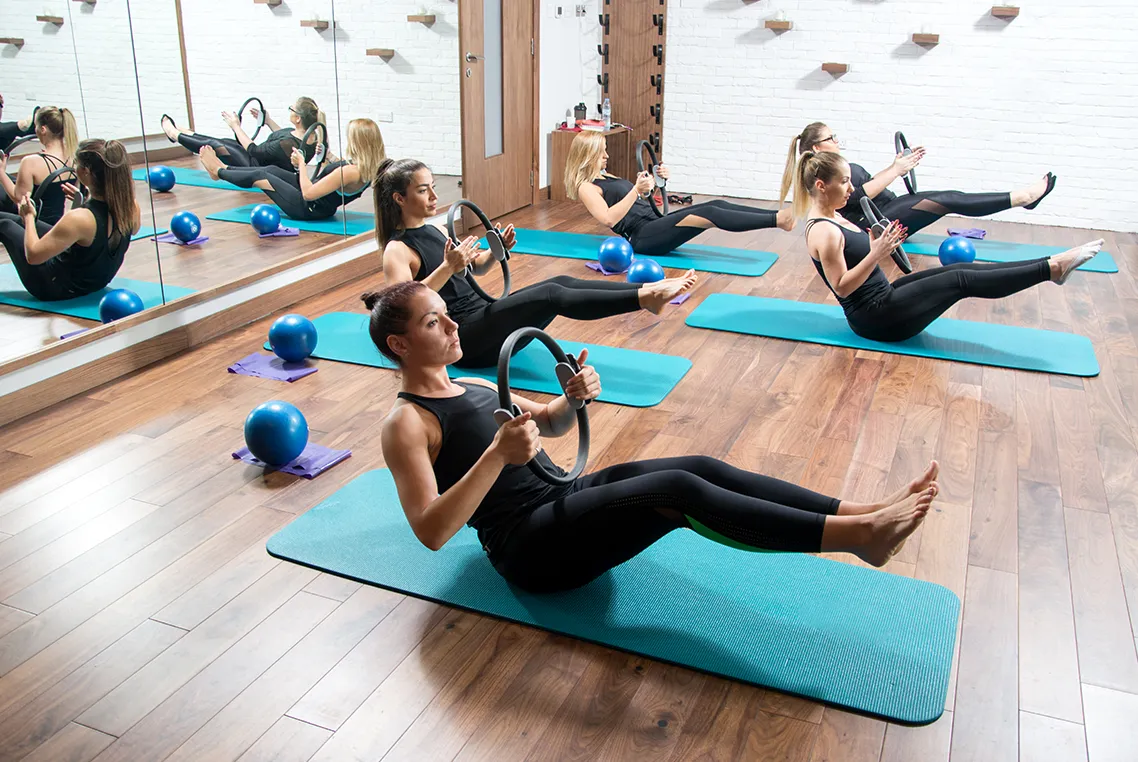
ONSITE LESSONS
Practical classes take place either at NTC or SPORTSCO, Ringsend, Dublin 4
Saturday from 10:30am to 1pm and 2pm to 4:30pm
July 2025 – 26th♦
August 2025 – 9th, 16th, 23rd, 30th
September 2025 – 6th, 13th, 20th, 27th
October 2025 – 4th, 11th, 18th♦, 25th
November 2025 – 1st, 8th♦, 15th, 22nd, 29th, 30th
December 2025 – 6th & 7th
Examinations and/or class will start at 9:30am on dates indicated with ♦
ONLINE LESSONS
Tuesday and Thursday Evenings from 7pm to 9pm
(Recordings available afterwards)
July 2025 – 29th, 31st
August 2025 – 5th, 7th, 12th, 14th, 19th, 21st, 26th, 28th
September 2025 – 2nd, 4th, 9th, 11th, 16th, 18th, 23rd, 25th, 30th
October 2025 – 2nd, 7th, 9th, 14th, 16th, 21st, 23rd
OPTIONAL FREE COURSE
National Qualification in Kettlebell Training
November 2nd, 2025 – Sunday from 10:00-17:00