
What Happens After Pilates Certification? Your Next Steps as an Instructor
For many people, finishing Pilates certification in Ireland answers one…

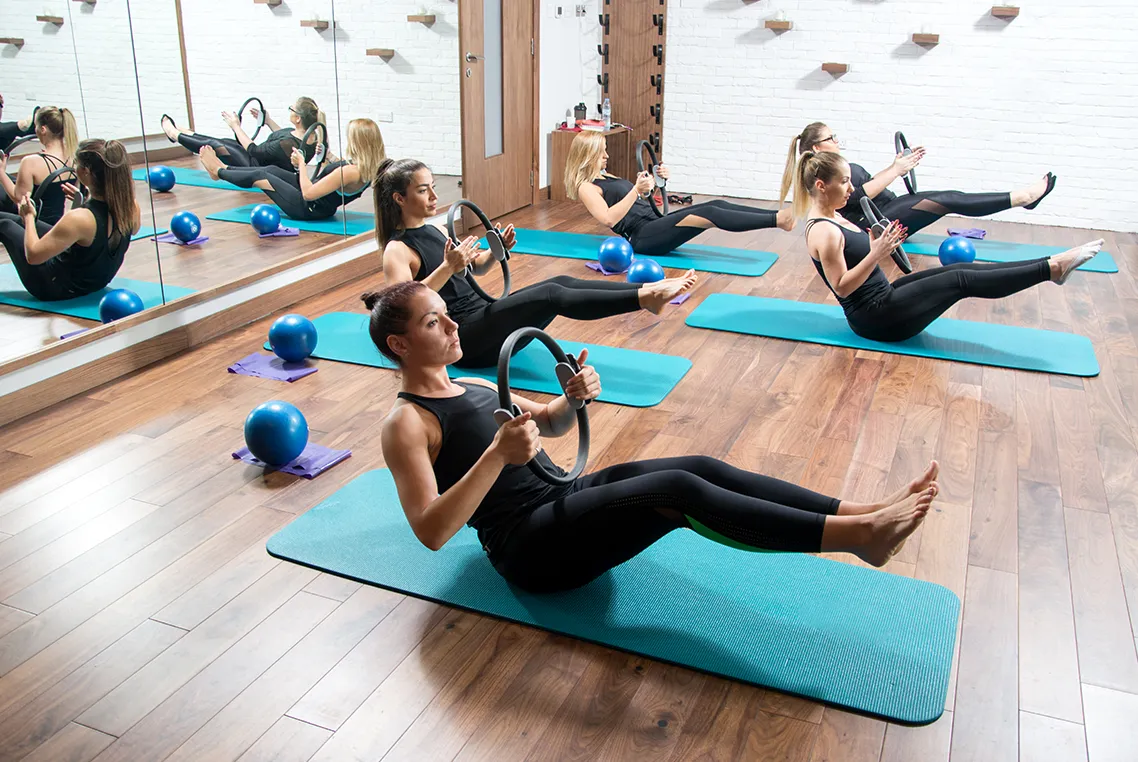
If you’ve discovered a love for Pilates, you’re not alone. Across Ireland and beyond, the discipline has evolved from a niche interest into a respected profession that blends movement and mindfulness with rehabilitation. For many, the natural next step is turning that passion into a career. But before enrolling, there’s one truth worth keeping in mind: not all courses in Pilates are equal.
Some programmes promise a quick certificate, a low price, or a fully online format that seems convenient. Yet once the course ends, many graduates find themselves unprepared to teach or struggling to gain recognition from employers and insurers. In contrast, a high-quality qualification equips you with both technical skill and confidence. These tools make the difference between teaching Pilates and teaching it well.
Clearly, choosing the right course is more than a step towards certification. It’s the foundation of your professional future, shaping your credibility, competence, and trust with clients from the very first class you teach.
Many people enter training because they love Pilates and want to share that enthusiasm with others. What they often discover is that personal practice and professional teaching require entirely different skill sets. Moving with control is one thing. Teaching others to move safely and effectively is another.
Professional Pilates instructors in Ireland need a solid understanding of anatomy, movement analysis, and client communication. They learn how to plan sessions that accommodate a range of needs, from improving mobility to supporting recovery. These abilities aren’t developed through practice alone but through structured, guided training with clear learning outcomes.
This is where the gap often appears. Learners who choose quick or overly simplified courses may finish with enthusiasm but without the confidence or knowledge to teach responsibly. Quality courses in Pilates bridge that divide by combining theory with supervised practice, giving future instructors both technical competence and professional readiness.
The difference between a good Pilates course and a great one lies in the experience it delivers, not just the topics it covers. A truly professional programme goes beyond exercise instruction to build confidence, self-awareness, and a clear understanding of how to help others move better. It creates space for reflection and guided practice, helping future instructors develop the professional judgement that turns theory into skill.
High-quality courses in Pilates also help you think like an educator, not just a participant. You learn to recognise individual needs, adapt exercises safely, and communicate effectively with clients. These skills develop over time through structured feedback and hands-on learning. These elements simply can’t be replicated through short or purely online courses.
When a training provider invests in strong mentorship and practical teaching opportunities, it shows in the quality of its graduates. That’s what truly sets great Pilates education apart: it prepares you to teach with confidence, safety, and purpose from the moment you qualify.
Accreditation isn’t just a label. It’s a sign that the course has met rigorous educational and industry standards. In Ireland, reputable courses in Pilates are typically aligned with frameworks such as EQF Level 4 or recognised by REPs Ireland. These qualifications reflect structured, standardised learning and assessment.
Why does this matter? Because accreditation gives your qualification credibility. Employers, studios, and insurance providers rely on these frameworks to confirm that you’re competent and properly trained. Without accredited status, you may face limited job opportunities or find it difficult to obtain insurance.
If a course doesn’t clearly state its awarding body, it’s worth asking questions. Transparency is a hallmark of a legitimate programme. Choosing an accredited course ensures that your time and investment lead to a qualification respected across the industry.
Once you’ve confirmed that a course is properly accredited, the next thing to consider is what you’ll actually learn. Accreditation tells you that the programme meets standards, but it’s the curriculum that determines how effectively you’ll be prepared to teach.
It is worth emphasising that a comprehensive curriculum goes far beyond performing exercises. It teaches you to analyse movement, correct form, and understand why each exercise works. Quality Pilates teacher training courses integrate anatomy, physiology, and movement science to help you connect muscle function with alignment and posture correction.
This depth of knowledge becomes vital once you begin teaching. You’ll meet clients of different ages and abilities. Some may be rehabilitating after injury, while others may be seeking greater mobility or strength. A strong curriculum prepares you to guide each person safely and effectively, adjusting to individual needs with confidence.
Courses that lack this structure may appear faster or cheaper but often produce uncertain instructors. In contrast, a well-planned programme offers both the “how” and the “why” behind movement. These develop qualities that define a capable, trusted professional.
Of course, theory alone isn’t enough. Pilates is built on movement, and true understanding comes from practising under real conditions. The way a course balances theory with practical, in-person experience makes all the difference.
Online learning has made education more flexible, allowing students to study key concepts from home. Yet to master Pilates, you need the guidance, feedback, and body awareness that only in-person instruction can provide. Real progress happens on the mat.
The best Pilates instructor courses in Ireland blend online study with practical workshops. This model gives you the flexibility of digital learning while maintaining the essential human element of face-to-face feedback. During workshops, you’ll practise cueing, observation, and correction, gaining confidence and precision in your teaching.
It’s in these sessions that theory becomes skill. You’ll learn to communicate clearly, respond to different bodies, and understand how subtle adjustments can transform an exercise. Purely online or compressed courses can’t provide this depth of experience or the hands-on understanding required to teach safely and effectively.
Practical experience builds confidence, but the quality of your learning also depends on the guidance you receive. Skilled tutors shape how you interpret feedback, refine your technique, and grow as a professional. Their mentorship bridges the gap between theory and practice, helping you turn movement knowledge into confident instruction.
Remember, behind every skilled instructor is a tutor who guided their learning journey. Experienced educators are vital to your success. They bring not only technical knowledge but also the insight gained from working with a wide range of clients and teaching environments.
A great tutor observes your technique, provides constructive feedback, and helps you translate knowledge into confidence. Their mentorship sharpens your judgement and builds your ability to problem-solve in real time. These are qualities that define a professional instructor.
Choosing a course with experienced, active tutors makes a lasting difference. It’s one of several key factors to look for when evaluating Pilates training options.
By this point, it’s clear that not all training programmes offer the same level of preparation or recognition. The difference lies in how each course delivers quality through its accreditation, curriculum design, tutor expertise, and practical learning. Understanding these distinctions is what turns enthusiasm into a confident career path.
So, the next step is to apply this understanding to make an informed choice. The right decision comes from looking at every element of a programme and asking the right questions about its structure and standards. With so many options available, taking a structured approach makes the process clearer and helps identify training that genuinely supports long-term professional goals.
Accreditation is the guarantee of professional recognition. Look for programmes approved by REPs Ireland or equivalent standards.
Ensure that it covers anatomy, physiology, and safe teaching methods, not just exercise sequences.
Choose a programme with instructors who have both teaching and professional Pilates experience.
Real-world practice, feedback, and assessment are key indicators of course quality.
The best courses continue to provide guidance through continuing professional development (CPD) or alumni support.
Additionally, when comparing programmes, focus on long-term value rather than price alone. A cheaper course that lacks accreditation, structure, or mentorship will likely cost more in time and missed opportunities. Quality education is an investment that pays dividends throughout a career.
In conclusion, it is best to exercise caution when choosing a Pilates instructor course in Ireland. The right course can turn enthusiasm into a rewarding and respected profession. It builds a foundation of knowledge, integrity, and confidence that defines lasting success. True quality shows in the details: recognised accreditation, skilled mentors, and meaningful hands-on experience. These are the elements that shape instructors who stand out for their competence and care.
Investing in such a course means investing in more than a qualification. It’s a commitment to your professional growth and to the standard of teaching you’ll bring to every class and client for years to come.
Ready to start your professional journey with one of Ireland’s most respected courses in Pilates? Gain the skills and recognition you need to teach with confidence. Call 01 882 7777 today to learn more and begin your Pilates career.
ONSITE LESSONS
Practical classes take place either at NTC or SPORTSCO, Ringsend, Dublin 4
Saturday from 10:30am to 1pm and 2pm to 4:30pm
July 2025 – 26th♦
August 2025 – 9th, 16th, 23rd, 30th
September 2025 – 6th, 13th, 20th, 27th
October 2025 – 4th, 11th, 18th♦, 25th
November 2025 – 1st, 8th♦, 15th, 22nd, 29th, 30th
December 2025 – 6th & 7th
Examinations and/or class will start at 9:30am on dates indicated with ♦
ONLINE LESSONS
Tuesday and Thursday Evenings from 7pm to 9pm
(Recordings available afterwards)
July 2025 – 29th, 31st
August 2025 – 5th, 7th, 12th, 14th, 19th, 21st, 26th, 28th
September 2025 – 2nd, 4th, 9th, 11th, 16th, 18th, 23rd, 25th, 30th
October 2025 – 2nd, 7th, 9th, 14th, 16th, 21st, 23rd
OPTIONAL FREE COURSE
National Qualification in Kettlebell Training
November 2nd, 2025 – Sunday from 10:00-17:00