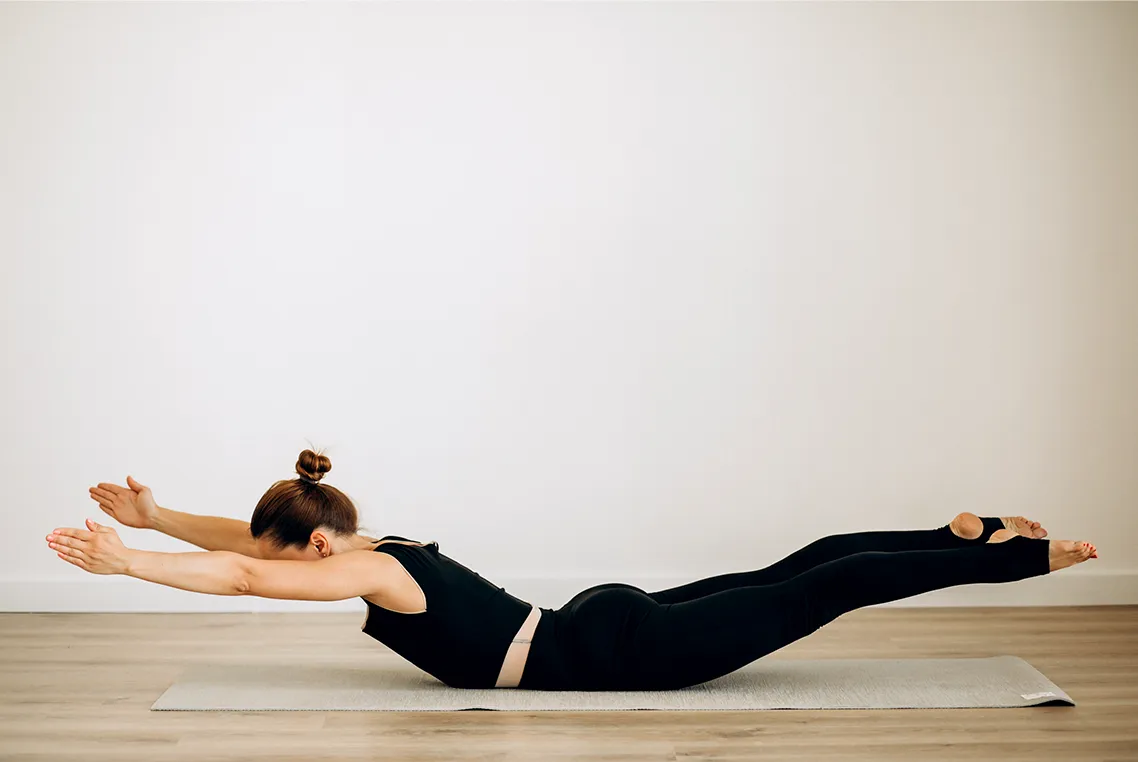
Beginner Pilates Instructor Course: 5 Myths That Could Be Holding You Back
Interest in Pilates often begins quietly. You might notice how…

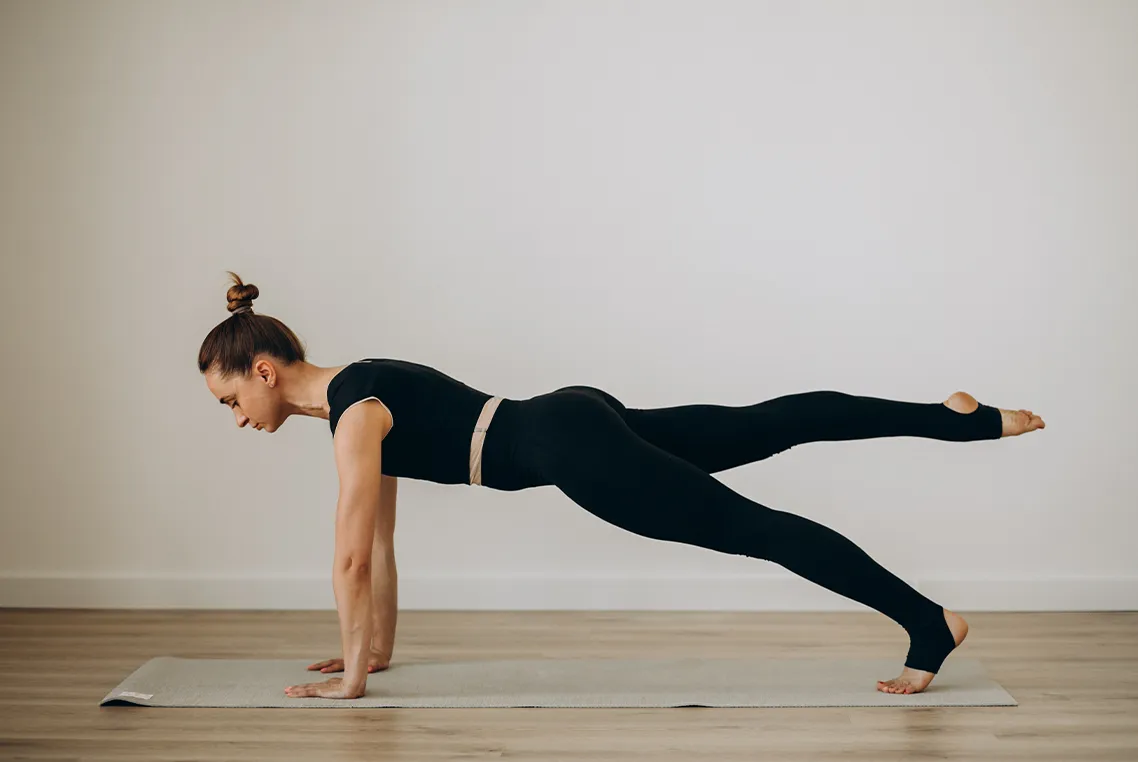
For many Pilates enthusiasts, there comes a moment when personal practice sparks something deeper – a desire to share the physical and mental benefits of Pilates with others. Yet that first step can feel daunting. You might wonder if you are experienced enough, confident enough, or even qualified to start.
A Pilates teaching course for beginners exists for this reason. It helps you move from curiosity to capability. Through guided learning, you begin to understand how the body works and how to teach movement with confidence and clarity.
Your journey starts with the foundations of movement. A beginner’s course helps you understand Pilates from the inside out. Rather than memorising sequences, you discover how breathing, alignment, and concentration work together to create stability and strength. These fundamentals prepare you to move with purpose and to teach others to do the same.
As your training progresses, you explore the science that supports effective movement. Modules on anatomy, physiology, and biomechanics show how muscles and joints function together during exercise. You also learn about posture analysis, injury awareness, and safe class planning. This knowledge enables you to design sessions that promote balance, mobility, and strength for individuals of all abilities. Understanding the reason behind each exercise also builds confidence in your decisions as a future instructor.
Throughout the course, tutors guide you through each stage of learning with clear explanations and structured feedback. Their role is to help you connect theory with practice, ensuring that what you learn in class translates to practical understanding in the studio. Regular check-ins and open discussions create space to ask questions and gain clarity, especially when approaching more advanced concepts.
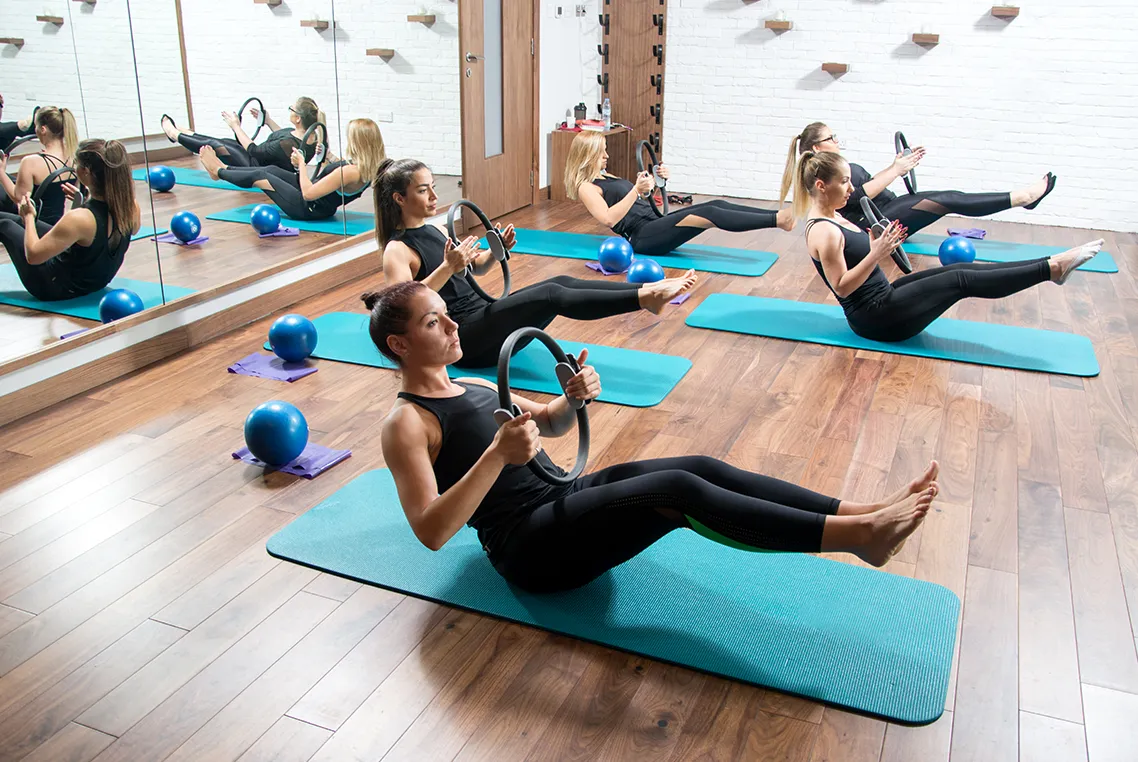
The learning environment is equally important. Most reputable beginner Pilates courses in Ireland combine classroom theory with practical studio sessions. This structure allows you to apply new concepts immediately. Working in pairs or small groups, you share feedback and practise guiding others through familiar exercises. Collaboration helps you refine your technique and develop confidence through real interaction.
By the later stages of training, you begin to recognise that learning to teach is a shared journey. It grows through connection, support, and hands-on experience.
A Pilates qualification course develops the practical abilities that make an effective instructor. These include communication, observation, and class management.
Communication is one of the first skills you develop. You learn how to describe movement clearly and guide students through each exercise using supportive language. Cueing becomes a key focus. Through verbal instruction, you help clients connect breath, posture, and movement, offering gentle corrections that build trust. Over time, your tone becomes more confident and your timing more precise.
Observation skills progress alongside communication. You learn to read the room, recognising when a student needs guidance, encouragement, or rest. The ability to respond appropriately ensures safety and strengthens rapport. These skills teach you to adapt, a quality that defines a confident instructor.
You also learn how to manage the flow of a class. You practise pacing, sequencing, and transitions so each session feels natural and balanced.
By the end of your training, you understand how to create an environment where students feel supported and motivated. Teaching becomes less about demonstrating and more about leading.
Every student asks this question eventually. Readiness develops through practice and reflection. It is the point at which guiding others feels natural and your focus shifts from performing movements yourself to helping others perform them well.
Throughout your training, you take part in structured sessions that mirror real teaching situations. Early in the course, you might explain individual exercises to a partner or small group. As your confidence develops, these sessions expand into full teaching demonstrations where you lead complete routines. This gradual increase in responsibility helps you feel prepared for what teaching involves.
A clear sign of readiness is adaptability. You understand that no two students move in exactly the same way. Some may need encouragement, while others benefit from correction or modified exercises. The ability to make those adjustments calmly shows that your knowledge has become practical.
You also notice a change in mindset. Teaching stops being a test of what you know and becomes an opportunity to help others progress. Feedback from tutors and peers reinforces your confidence, showing you how far you have come since your first lesson.
By the time you reach your final assessment, you will have built a solid foundation of knowledge, teaching skills, and professional poise. The ability to plan, guide, and adjust a class shows that you are ready to teach others safely and effectively. That readiness continues to grow long after the course ends, shaped by each class you teach and every student you support.
Completing your course is an important milestone that signifies both achievement and potential. Certification shows that you meet recognised professional standards.
In Ireland, many qualifications align with frameworks such as REPs Ireland. This ensures that your skills meet accepted industry expectations.
After certification, you can begin teaching in studios, fitness centres, or community settings. Some instructors start with small group classes, while others work alongside experienced teachers for additional support. These early opportunities provide valuable experience and help you build confidence in managing different client needs.
Once qualified, you can choose from several career pathways. Some instructors teach part-time while maintaining other roles in health or fitness, while others build full-time careers in Pilates instruction. As you gain experience, you may decide to advance your training through continuing professional development (CPD). This might include workshops, advanced modules, or specialised certifications such as reformer Pilates or movement rehabilitation. Each new skill broadens your professional scope and allows you to meet a wider range of client needs.
As you begin to teach, it is also important to consider insurance and registration. Many instructors join professional bodies such as REPs Ireland to maintain recognition and credibility. Registration not only strengthens your professional profile but also gives clients confidence in your standards of safety and instruction.
Mentorship and observation often continue after qualification. Many new teachers stay connected with their peers or tutors, sharing lesson ideas and seeking advice as they refine their teaching style. This professional community encourages growth and keeps instructors motivated after certification.
In conclusion, every confident Pilates instructor once stood where you are now. The transition from student to teacher is a process of steady learning and growing confidence.
A beginner Pilates teaching course provides the structure and guidance needed to take that first step. It offers the knowledge and practice that help you move forward with assurance. With a strong foundation, you can transform your enthusiasm for Pilates into a professional skill and begin a journey that enriches both your own life and the lives of those you teach.
Thinking about becoming a qualified health and fitness instructor in Ireland? Begin your journey with our sought-after Pilates teaching course for beginners. Call +353 1 882 7777 or book your place today to build real-world skills and professional confidence!

ONSITE LESSONS
Practical classes take place either at NTC or SPORTSCO, Ringsend, Dublin 4
Saturday from 10:30am to 1pm and 2pm to 4:30pm
July 2025 – 26th♦
August 2025 – 9th, 16th, 23rd, 30th
September 2025 – 6th, 13th, 20th, 27th
October 2025 – 4th, 11th, 18th♦, 25th
November 2025 – 1st, 8th♦, 15th, 22nd, 29th, 30th
December 2025 – 6th & 7th
Examinations and/or class will start at 9:30am on dates indicated with ♦
ONLINE LESSONS
Tuesday and Thursday Evenings from 7pm to 9pm
(Recordings available afterwards)
July 2025 – 29th, 31st
August 2025 – 5th, 7th, 12th, 14th, 19th, 21st, 26th, 28th
September 2025 – 2nd, 4th, 9th, 11th, 16th, 18th, 23rd, 25th, 30th
October 2025 – 2nd, 7th, 9th, 14th, 16th, 21st, 23rd
OPTIONAL FREE COURSE
National Qualification in Kettlebell Training
November 2nd, 2025 – Sunday from 10:00-17:00