
Can You Pass a Personal Fitness Trainer Course Without Any Experience?
If you have been thinking about becoming a personal trainer,…

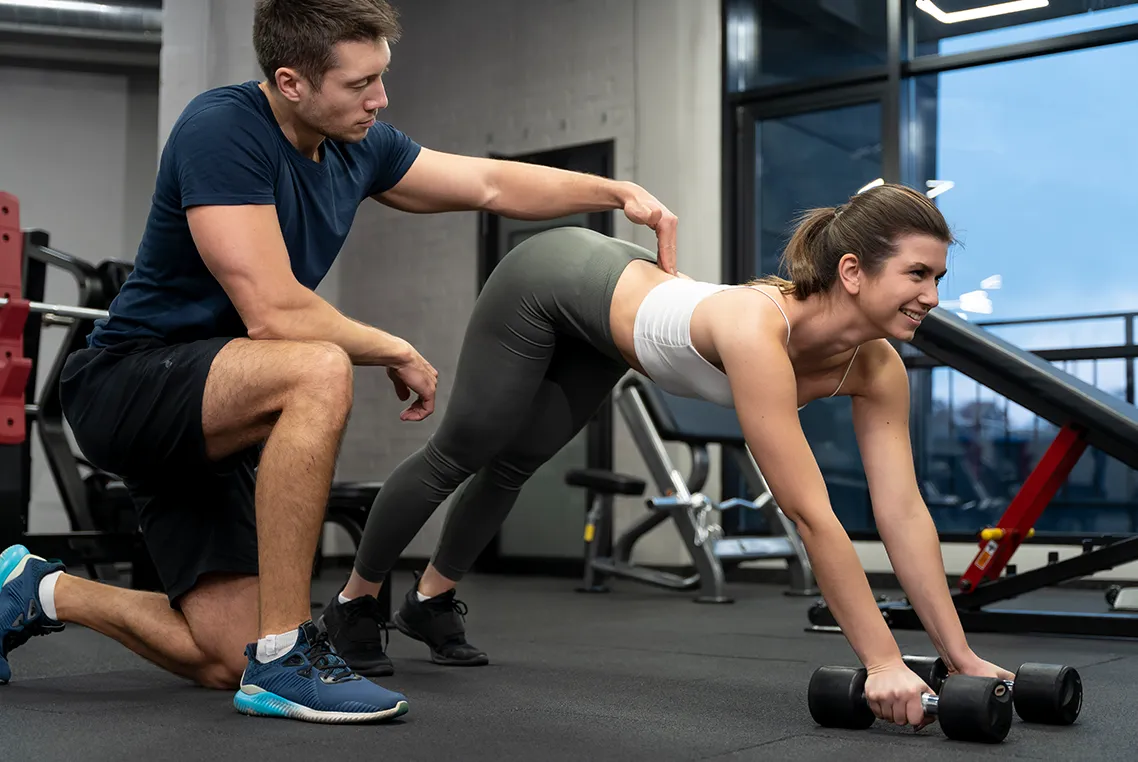
Building a career in fitness often begins with enthusiasm. You may enjoy working out, helping friends with techniques, or studying training principles in your free time. Turning that interest into paid work can feel challenging when you are unsure how to start or what employers expect. Many aspiring trainers remain in this early stage longer than intended because they do not have a clear path forward or a sense of what the industry requires from a qualified professional.
A certified fitness trainer course provides that clarity. It gives you the structure, skills, and recognised qualification needed to move with confidence. It helps you shift from personal interest to professional ability and prepares you to enter Ireland’s fitness industry with purpose. This sense of direction speeds up your progress and helps you avoid the uncertainty that often slows people down.
Many aspiring trainers struggle because they try to begin without understanding the requirements of professional practice. They often rely on personal gym experience, which is useful for self-improvement. However, it does not prepare you to design programmes, assess risks, or support clients with varied needs. Employers expect formal training because they need to uphold safety standards and protect client wellbeing. Without an industry-approved qualification, it is difficult to meet those expectations and even harder to stand out when applying for roles.
Another challenge is the lack of clear information about how to get started. Many people do not know which qualifications are recognised, what accreditation means, or how to begin building a professional foundation. This uncertainty leads to hesitation.
Some also believe that being fit is the same as being ready to coach. But the ability to train others requires structured knowledge that goes beyond personal experience. Without this understanding, it is easy to feel stuck.
Confidence is another barrier for many new trainers. It is common to feel unsure about taking responsibility for someone else’s safety or to question whether your knowledge is strong enough. These doubts can hold you back, especially when you do not have guidance from qualified tutors or peers. Without support, this lack of confidence can delay your decision to pursue proper training.
Choice can also be overwhelming. Ireland has many fitness courses available, and they vary widely in credibility, duration, and structure. When you are new to the industry, it is hard to recognise which programmes are accredited or what type of learning is required for insurance and employment. This creates hesitation rather than progress, leaving aspiring trainers unsure which path will lead to a recognised qualification.
A certified fitness instructor or personal trainer course changes how you approach fitness and coaching. It helps you move from viewing exercise as a personal pursuit to understanding the professional responsibilities involved in guiding others. You begin to see how assessment, planning, communication, and client safety all work together. This shift prepares you to think like a trainer rather than a participant, which is an important step in developing professional readiness.
As you progress, the course broadens your understanding of what clients truly need. You learn how to interpret physical cues, adapt training for different abilities, and communicate instructions in ways that build trust. These insights change how you interact with people and help you develop the awareness expected from a qualified professional. They also give you the ability to recognise barriers clients face and respond with clarity and purpose.
The course also clarifies your role within the wider industry. You learn how standards, ethics, and client screening shape your work. This knowledge gives you direction because you begin to understand not only how to train clients but how to operate responsibly within the fitness sector. As these elements come together, you gain a clearer sense of the career you want to build and the steps you need to take to achieve it.
A certified course is one of the fastest ways to enter the industry because it removes the trial-and-error approach that slows many people down. Instead of searching for scattered information or trying to learn everything independently, you follow a structured path that teaches skills in the correct order. This helps you stay focused on what employers actually look for and reduces the time you spend trying to figure out what to study next.
Accreditation is an essential part of this. It confirms that the programme meets recognised standards and is accepted by employers and insurance providers. When a course lacks accreditation, you risk completing training that is not recognised. This often leads to delays and extra costs if you need to seek additional education. Choosing an accredited fitness training course helps you avoid these setbacks and ensures the qualification you work toward will genuinely support your career.
Certification then becomes the result of completing the accredited programme. Once you meet the required standards, you hold a qualification that employers understand and trust. This means you do not need to spend months building credibility or proving your competence. Your certification signals that you are ready for professional work, which speeds up your entry into paid roles.
The course also accelerates your progress by combining theory with supervised practice. Learning skills in a structured sequence helps you avoid gaps that would slow you down later. Practical application builds confidence and prepares you for real scenarios. The combination of clear structure, accredited learning, and hands-on experience makes a certified fitness trainer course one of the most efficient routes into the industry.
Completing your fitness instructor qualification marks the point where you can begin working professionally, and your next steps become more structured. One of the first things you can do is arrange your insurance, which allows you to work safely and legally with clients. You can also register with recognised bodies if required. These steps signal that you are ready to enter professional environments such as gyms, studios, leisure centres, or community training spaces.
Your early weeks in the industry introduce you to the practical rhythms of the job. Employers may ask you to complete an onboarding process where you shadow experienced staff, observe different styles of teaching, and learn how sessions are delivered in real settings. You also begin carrying out initial consultations, where you apply assessment methods learned during your course. This early exposure helps you build comfort with client communication and session management.
Once you begin working independently, you start establishing routines that support your progress. You learn how to schedule sessions, plan your workload, and maintain accurate client records. These organisational habits help you build a sense of capability as you transition from student to professional. You also begin adapting programmes as clients progress, which strengthens your ability to think critically and make informed decisions.
Your qualification also allows you to start shaping your career direction. You can take on a range of clients and explore the type of work that suits your strengths. You might discover an interest in small-group training, one-to-one coaching, or working with specific populations. As you gain real-world experience, you begin to understand where you want to focus your energy and how you want your career to develop over time.
Choosing the right programme is an important step because the quality of your training influences how quickly you can begin working. A good course should give you learning that builds steadily, supports your confidence, and prepares you for realistic client situations. When you review different options, it helps to look beyond the surface and understand how each course will shape your early career.
One smart way to assess a course is to consider how well it prepares you for real work. Look for programmes that show clear evidence of supervised practice, structured assessments, and opportunities to interact with clients or peers. These elements show that the course is designed to build competence rather than simply provide information. When you see how skills are taught, you gain a better sense of how prepared you will feel once you qualify.
It is also useful to consider the teaching approach used by the tutors. Tutors who remain active in the industry bring current insight and understand what employers look for. Their experience helps you learn the habits and decision-making processes that shape real-world coaching. This influence is valuable because it helps you avoid common early mistakes and adapt quickly to the expectations of fitness settings.
Another important area to consider is how clearly the course outlines its progression. Strong programmes explain what you will learn in each stage, how assessments work, and how practical skills develop over time. This clarity helps you understand how the course builds your competence and how each part supports the next. Courses that lack this structure can leave you uncertain about your progress or unsure how prepared you will be at the end.
Since fitness training is a practical profession, it is helpful to choose a course that treats practical work as a central part of learning. Theory provides important context, yet practical sessions help you apply that knowledge and become confident working with people. Courses that rely too heavily on online delivery often struggle to provide this depth, which can slow your development once you begin working with clients.
Finally, consider how the course supports you once you qualify. Some programmes offer guidance on insurance, registration, and early career steps. Others provide ongoing workshops or access to networks that help you continue developing. These forms of support can make your first months in the industry smoother and help you stay confident as you begin working independently.
A certified fitness trainer programme not only helps you enter the industry quickly but also creates a pathway that continues to support your progress long after you qualify. It strengthens your long-term future by giving you a recognised foundation that remains valuable as the industry evolves. As fitness standards change and new practices emerge, certified trainers are better prepared to adapt because they begin with an understanding of how structured learning shapes professional growth. This foundation helps you stay confident as roles expand and expectations shift.
Over time, certification also opens doors to career paths that become available once you have gained experience. Many trainers progress into leadership positions, develop special interests, or move into mentoring and education. These opportunities expand your earning potential and allow you to build a career that stays engaging. The range of pathways available within the industry can help you maintain motivation and develop a professional identity that grows with your strengths.
A recognised qualification also supports long-term stability. Clients often stay with trainers who demonstrate consistency and professionalism, and certification helps you establish these habits early. As you gain experience, you learn how to manage client relationships, deliver reliable outcomes, and maintain a strong reputation. This consistency makes it easier to build a client base that supports you for years rather than months.
Certification also helps you build long-term connections. During your training, you meet tutors, peers, and industry professionals who become part of your professional network. These relationships offer support, guidance, and future opportunities as your career develops. A strong network helps you stay informed about new roles, training options, and emerging trends that keep your work relevant.
In conclusion, a certified fitness training course gives you clarity and direction. It prepares you for professional roles in Ireland’s fitness industry and helps you develop skills that support steady, long-term progress. It also gives you a qualification that employers and clients trust, which strengthens your confidence as you begin your journey. With this foundation, you can start a career that reflects your goals and allows you to grow with intention.
This clarity becomes even more meaningful when you think back to the uncertainty you may have felt at the beginning. Many people hesitate because they are unsure where to start or worry that they are not ready for a professional course. Once you complete your qualification, that hesitation begins to fade. You see how each stage of your learning prepared you for real situations and how achievable the path becomes when it is structured properly. This shift helps you move beyond the doubt that held you back and encourages you to establish your place in the field with a clear sense of direction.
Unsure where to begin your path into Ireland’s fitness industry through a certified fitness trainer course? Gain the practical skills and recognised qualification needed to start your professional journey with our highly regarded programme. Call 01 882 7777 or book a slot here to take the first step.
ONSITE LESSONS
Practical classes take place either at NTC or SPORTSCO, Ringsend, Dublin 4
Saturday from 10:30am to 1pm and 2pm to 4:30pm
July 2025 – 26th♦
August 2025 – 9th, 16th, 23rd, 30th
September 2025 – 6th, 13th, 20th, 27th
October 2025 – 4th, 11th, 18th♦, 25th
November 2025 – 1st, 8th♦, 15th, 22nd, 29th, 30th
December 2025 – 6th & 7th
Examinations and/or class will start at 9:30am on dates indicated with ♦
ONLINE LESSONS
Tuesday and Thursday Evenings from 7pm to 9pm
(Recordings available afterwards)
July 2025 – 29th, 31st
August 2025 – 5th, 7th, 12th, 14th, 19th, 21st, 26th, 28th
September 2025 – 2nd, 4th, 9th, 11th, 16th, 18th, 23rd, 25th, 30th
October 2025 – 2nd, 7th, 9th, 14th, 16th, 21st, 23rd
OPTIONAL FREE COURSE
National Qualification in Kettlebell Training
November 2nd, 2025 – Sunday from 10:00-17:00