
Is Neuromuscular Therapy Training Enough to Work with Clients in Real Practice?
Stepping out of training and into real client work can…


Breaking into Ireland’s growing health and fitness industry can be exciting, but it isn’t always easy to stand out. Many personal trainers, fitness instructors, and wellness professionals eventually reach a plateau. You may love working with clients, but without new skills, your opportunities and your earning potential can start to feel limited.
That’s where sports massage training in Ireland comes in. This specialised training is more than just another certificate to add to your CV. It is a genuine career upgrade, giving you practical tools to help athletes, gym-goers, and everyday clients recover from injury, prevent setbacks, and perform at their best. Whether you are looking to expand your services or start a new chapter entirely, sports massage could be the key that keeps you in demand in a competitive industry.
Sports massage training is designed to equip you with a solid foundation in both the theory and practice of treating the musculoskeletal system. In Ireland, recognised courses typically combine classroom learning with hands-on training, ensuring you are confident and competent from day one.
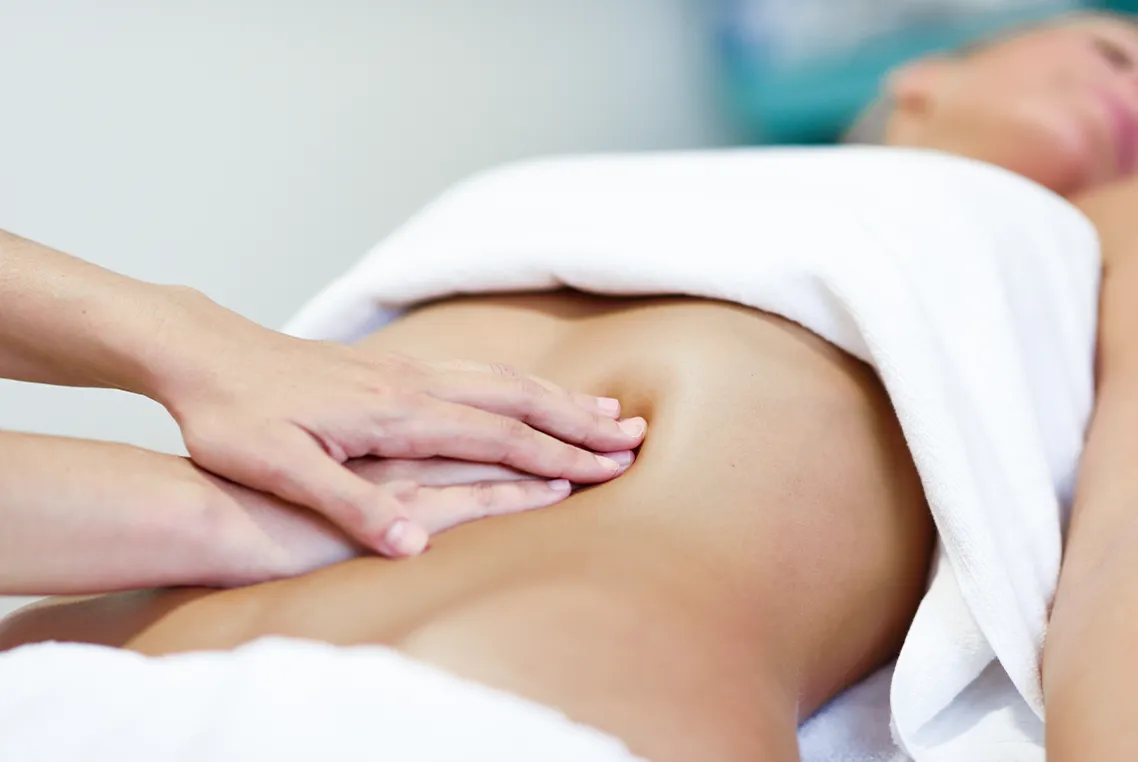
At its core, you will learn to assess injuries, identify muscular imbalances, and apply a variety of soft tissue techniques. This is more than just a relaxation massage. It is targeted work that improves function, reduces pain, and accelerates recovery. You will cover areas such as anatomy and physiology, injury mechanisms, stretching methods, and rehabilitation strategies. This scientific foundation means you are not simply following routines but also applying tailored solutions for each client.
What makes training in Ireland particularly valuable is the depth and professional focus. This is especially true for NTC’s sports massage training, which is delivered within the Neuromuscular Therapy programme. This means you develop assessment, treatment, and rehabilitation skills alongside hands-on techniques. The course combines core anatomy and physiology with advanced approaches to injury assessment, postural analysis, and soft tissue therapy.
With NTC’s sports massage training, you also learn the essentials of professional practice, from planning treatments to understanding the ethical responsibilities of working with clients. On completion, you graduate with three professional qualifications, including the National Qualification in Orthopaedic Sports Massage and the National Qualification in Neuromuscular Therapy. It is also the only Irish qualification accredited at UK Level 5 by the Sports Massage Association, a mark of professional trust and insurability.
Sports massage plays a vital role in keeping active people healthy and injury-free. In Ireland, sports massage therapists are increasingly sought after by athletes, fitness enthusiasts, and anyone engaged in regular training. Whether it is easing tight hamstrings for a runner, supporting a rugby player through recovery, or helping a gym-goer train safely, sports massage has become a trusted part of the performance and recovery process.
Unlike general massage, which often prioritises relaxation, sports massage is targeted to the demands of training and competition. You will work directly with motivated people who want to improve their strength, speed, and endurance. That means you are not just providing a service. You are actively helping clients achieve outcomes that matter deeply to them.
The skills you gain are not limited to sport. Builders, nurses, and tradespeople often experience overuse injuries that mirror those seen in athletes. Being able to support these clients gives you a wider scope of practice and makes your services more versatile.
For fitness and wellness professionals, sports massage is also a way to diversify. Adding hands-on treatment to your services allows you to retain clients for longer and increase income streams. Many programmes also include elements of assessment and rehabilitation, giving you skills that extend beyond the treatment table and open pathways into more advanced practice.
One of the most common questions is whether you need a background in fitness or healthcare to get started. The answer is that requirements vary depending on the provider. Some courses may expect prior knowledge of anatomy or experience in fitness, while others are designed for complete beginners with no previous study.
At NTC, the Neuromuscular Therapy course (which includes sports massage training) is open to adult learners from all backgrounds. You do not need previous qualifications. What you do need is a genuine interest in anatomy and movement, a good standard of written and spoken English, and the physical capability to perform massage techniques. Since training is hands-on, you must also be comfortable giving and receiving massage during practical sessions. The course is designed with adult learners in mind, making it accessible for beginners, career changers, or professionals looking to upskill.
Again, the time it takes to qualify in sports massage can vary depending on the provider and the type of programme you choose. Some courses are delivered intensively over a few months, while others are structured to run part-time on weekends to suit people who are working or changing careers.
Most recognised programmes combine classroom learning with practical workshops and guided self-study. Early training usually focuses on building a strong foundation in anatomy, physiology, and hands-on massage techniques. As you progress, you move into more advanced areas such as postural assessment, injury evaluation, and rehabilitation planning. This staged approach ensures that you are not just learning individual techniques but also developing the ability to assess, treat, and support recovery in a professional setting.
High-quality programmes also provide clear milestones and qualifications along the way. So, learners gain recognition that employers, insurers, and clients value.
Once qualified, sports massage therapists have a broad range of career opportunities. Many go on to work in private clinics or gyms, offering massage as part of injury prevention and recovery. Others find opportunities with sports teams, from local GAA clubs to rugby squads and endurance athletes. In these settings, therapists help players stay fit, recover faster, and reduce time lost to injury.
With advanced training from programmes like NTC’s integrated NMT and Sports Massage course, therapists can progress into multidisciplinary clinics, working alongside physiotherapists and other healthcare providers to address more complex musculoskeletal issues. There are also opportunities for self-employment, with many therapists choosing to set up their own practice and offer services to athletes, workers, and local communities.
The flexibility of this career path means you are not tied to one environment. Instead, you can adapt your work to where the demand is strongest, whether that is in sport, rehabilitation, or private practice.
When considering any course, cost is always an important factor. Fees for recognised sports massage training in Ireland typically range from a couple of thousand euro upwards, depending on the depth and duration of the programme. At first glance, this can feel like a significant outlay. However, it is important to weigh the expense against the long-term return.
Qualified sports massage therapists can charge professional fees for their services, with many earning €50–€70 per session. Because clients often need ongoing treatment, therapists have the potential to recoup training costs relatively quickly. Beyond the financial return, the bigger value lies in credibility: accredited qualifications give you professional recognition, insurance eligibility, and the confidence to practise safely.
High-quality programmes also go beyond teaching techniques. They prepare you to assess, plan, and deliver treatments that make a measurable difference. Choosing an accredited provider ensures that you graduate with skills that remain relevant and in demand, making the investment worthwhile in the long run.
So, is sports massage training the career upgrade you need? If your goal is to treat pain and dysfunction effectively, the answer is yes. This path gives you the practical skills and confidence to make a real difference in people’s lives.
With a reputable course, you graduate with recognised credentials, strong clinical skills, and the confidence to build a rewarding career. Whether you are a fitness professional looking to expand your services, a career changer searching for meaningful work, or someone passionate about health and recovery, a sports massage therapy qualification offers both flexibility and fulfilment. By choosing accredited training, you are not just learning techniques. You are also building a profession that lasts.
Are you ready to take your career to the next level with sports massage training in Ireland? Call us today on 01 882 7777 to book your slot. Don’t wait—invest in your future now and build a career that keeps you in demand.
ONSITE LESSONS
Practical classes take place either at NTC or SPORTSCO, Ringsend, Dublin 4
Saturday from 10:30am to 1pm and 2pm to 4:30pm
July 2025 – 26th♦
August 2025 – 9th, 16th, 23rd, 30th
September 2025 – 6th, 13th, 20th, 27th
October 2025 – 4th, 11th, 18th♦, 25th
November 2025 – 1st, 8th♦, 15th, 22nd, 29th, 30th
December 2025 – 6th & 7th
Examinations and/or class will start at 9:30am on dates indicated with ♦
ONLINE LESSONS
Tuesday and Thursday Evenings from 7pm to 9pm
(Recordings available afterwards)
July 2025 – 29th, 31st
August 2025 – 5th, 7th, 12th, 14th, 19th, 21st, 26th, 28th
September 2025 – 2nd, 4th, 9th, 11th, 16th, 18th, 23rd, 25th, 30th
October 2025 – 2nd, 7th, 9th, 14th, 16th, 21st, 23rd
OPTIONAL FREE COURSE
National Qualification in Kettlebell Training
November 2nd, 2025 – Sunday from 10:00-17:00