
Is Neuromuscular Therapy Training Enough to Work with Clients in Real Practice?
Stepping out of training and into real client work can…

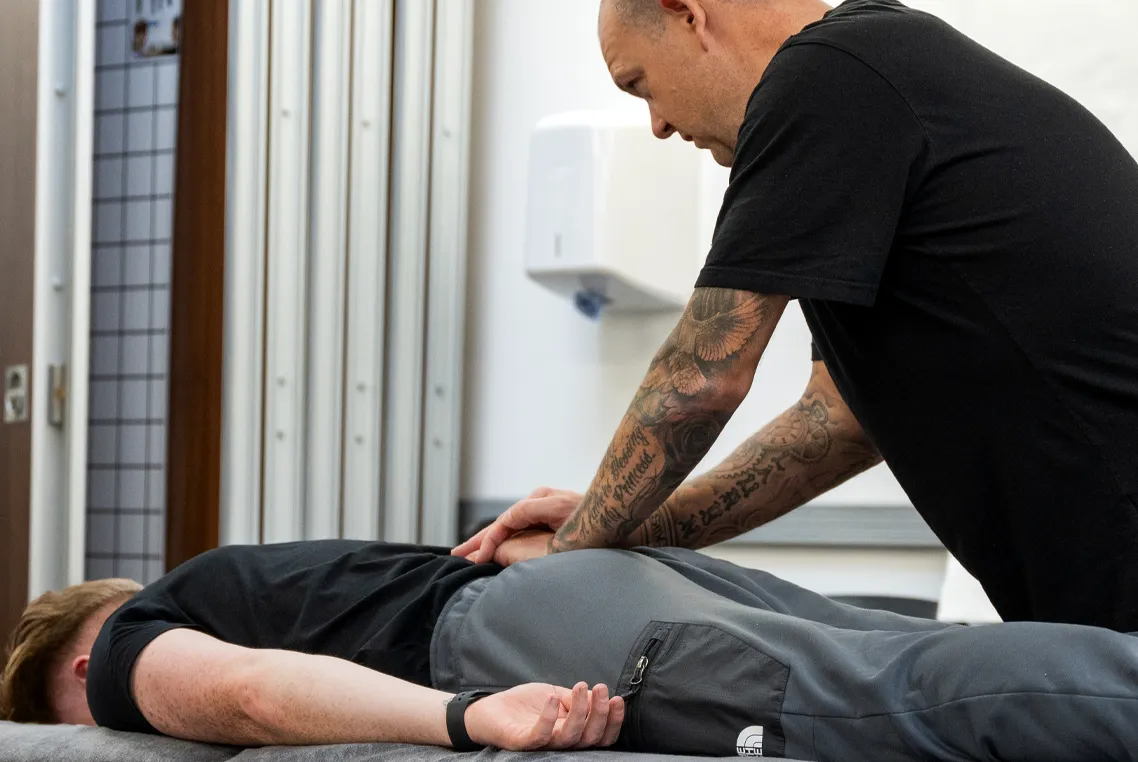
Thinking about a career in health and wellness? If you’re someone who enjoys helping others heal, values hands-on work, and wants to make a real difference in people’s lives, neuromuscular therapy could be the perfect fit. But before diving in, it’s worth asking: Is this really the right career for you?
In this guide, we’ll walk through what neuromuscular therapy involves, the qualifications required in Ireland, career opportunities, and the kind of person who thrives in this field.
Neuromuscular therapy (NMT) is a specialised form of soft tissue manual therapy that focuses on relieving chronic pain and correcting postural and biomechanical dysfunction. Unlike general massage, NMT targets the root causes of muscular pain by assessing and treating myofascial trigger points, muscle imbalances, and nerve entrapments.
Originally developed in the early 20th century, NMT has evolved significantly, with Ireland being home to some of the most respected training providers, including the National Training Centre (NTC). It is widely recognised for its effectiveness in treating long-term musculoskeletal issues, sports injuries, and postural dysfunctions.
In Ireland, there has been a noticeable shift towards preventative and alternative care solutions. Long waiting lists in the Health Service Executive (HSE) and a growing awareness of physical health have made therapies like NMT more appealing. Many clients prefer the hands-on, personalised approach that it provides, which addresses the root of the problem and supports the body’s healing mechanisms.
NMT is not a one-size-fits-all approach. It’s tailored to the individual, blending clinical assessment, anatomical understanding, and hands-on technique to deliver long-term relief. As more people explore targeted solutions for persistent pain and dysfunction, this form of therapy is emerging as a trusted and effective option.
To practise neuromuscular therapy professionally, formal education is essential, not just for employment but also for credibility and insurance purposes. One of the most recognised and respected routes is through an accredited neuromuscular therapy course, such as the one offered by the National Training Centre.
These comprehensive programmes combine clinical insight with hands-on learning, covering everything from anatomy and biomechanics to postural assessment, rehabilitation protocols, and professional ethics. The training equips you to assess, treat, and support clients dealing with a wide range of musculoskeletal issues. It helps build the confidence and competence needed to work effectively in real-world settings.
Many NMT courses typically run on a part-time basis over 15 to 18 months, making them ideal if you’re working, raising a family, or transitioning from another career. The flexible scheduling allows you to continue earning while you study, which is often key for adult learners re-entering education.
Designed with accessibility in mind, these qualifications are well-suited to a range of learners, including those new to manual therapy. For anyone considering a meaningful and flexible new career, neuromuscular therapy offers a strong foundation and a clear path forward.
The Irish job market for health and wellness professionals is experiencing steady growth. There is increasing demand for qualified practitioners in allied health and complementary therapy, particularly in urban centres like Dublin, Cork, and Galway. This trend is creating exciting opportunities for neuromuscular therapists across the country.
Once qualified, you can enjoy remarkable flexibility in your work. Many neuromuscular therapists begin part-time while building their client base. With consistency and good business sense, full-time practice is often achievable within one to two years. Some secure roles in established clinics, gyms, or wellness centres. Others take a freelance route, offering mobile services or working from home.
Over time, many therapists go on to establish their own practices. They often build clientele through word-of-mouth referrals, online visibility, and partnerships with other health professionals. This level of autonomy appeals to those who value control over their schedules and client caseloads.
Common work environments in Ireland include sports and rehabilitation clinics, where athletes seek targeted treatment for injury prevention and recovery. Corporate wellness programmes also offer opportunities, as companies invest in services that support employee wellbeing. In multidisciplinary health centres, you may work alongside physiotherapists, osteopaths, or general practitioners (GPs).
Income can vary based on experience, specialisation, and location. Many neuromuscular therapists in Ireland charge between €60 and €90 per session. With time and reputation, especially in specialised fields like sports therapy or injury rehabilitation, these rates can increase substantially.
Beyond client work, the profession offers ample room for growth. Some therapists branch into teaching, open training centres, or specialise further in areas such as myofascial release or chronic pain management. It’s a dynamic career path with opportunities to evolve and expand as your skills develop..
Success in neuromuscular therapy requires more than just an interest in health and wellness. It necessitates a specific mindset and a unique set of personal qualities. If you’re wondering whether this career aligns with who you are, start by asking yourself the following questions:
If you found yourself nodding along, you might be a strong fit for this field.
Neuromuscular therapy also demands physical stamina, emotional intelligence, and a commitment to continuous learning. Every client is different, which keeps the work dynamic and engaging. But it also means you’ll need to adapt, think critically, and stay current with evolving techniques.
The emotional side of the work shouldn’t be overlooked. Supporting people who are in pain can be deeply rewarding, but it can also be intense. Maintaining healthy boundaries, practising self-care, and managing your workload are essential to preventing burnout and sustaining a long-term career.
In conclusion, if you’re looking for a career that blends science, empathy, and hands-on skills, neuromuscular therapy might be exactly what you need. It offers a path toward meaningful work and flexibility. At the same time, it allows you to build authentic human connections while making a tangible difference in people’s lives.
Whether you’re switching careers or just starting out, Ireland has a supportive ecosystem for training and professional development in this field. With accredited courses, growing demand, and a rewarding scope of work, now might be the perfect time to explore your potential as a neuromuscular therapist.
Are you wondering whether this is your next big move? Enrol in our reputable neuromuscular therapy course in Ireland and take the first step toward a fulfilling, flexible, and in-demand career. Call us at 01 882 7777 or click here to reach us today!

ONSITE LESSONS
Practical classes take place either at NTC or SPORTSCO, Ringsend, Dublin 4
Saturday from 10:30am to 1pm and 2pm to 4:30pm
July 2025 – 26th♦
August 2025 – 9th, 16th, 23rd, 30th
September 2025 – 6th, 13th, 20th, 27th
October 2025 – 4th, 11th, 18th♦, 25th
November 2025 – 1st, 8th♦, 15th, 22nd, 29th, 30th
December 2025 – 6th & 7th
Examinations and/or class will start at 9:30am on dates indicated with ♦
ONLINE LESSONS
Tuesday and Thursday Evenings from 7pm to 9pm
(Recordings available afterwards)
July 2025 – 29th, 31st
August 2025 – 5th, 7th, 12th, 14th, 19th, 21st, 26th, 28th
September 2025 – 2nd, 4th, 9th, 11th, 16th, 18th, 23rd, 25th, 30th
October 2025 – 2nd, 7th, 9th, 14th, 16th, 21st, 23rd
OPTIONAL FREE COURSE
National Qualification in Kettlebell Training
November 2nd, 2025 – Sunday from 10:00-17:00