
Is Neuromuscular Therapy Training Enough to Work with Clients in Real Practice?
Stepping out of training and into real client work can…

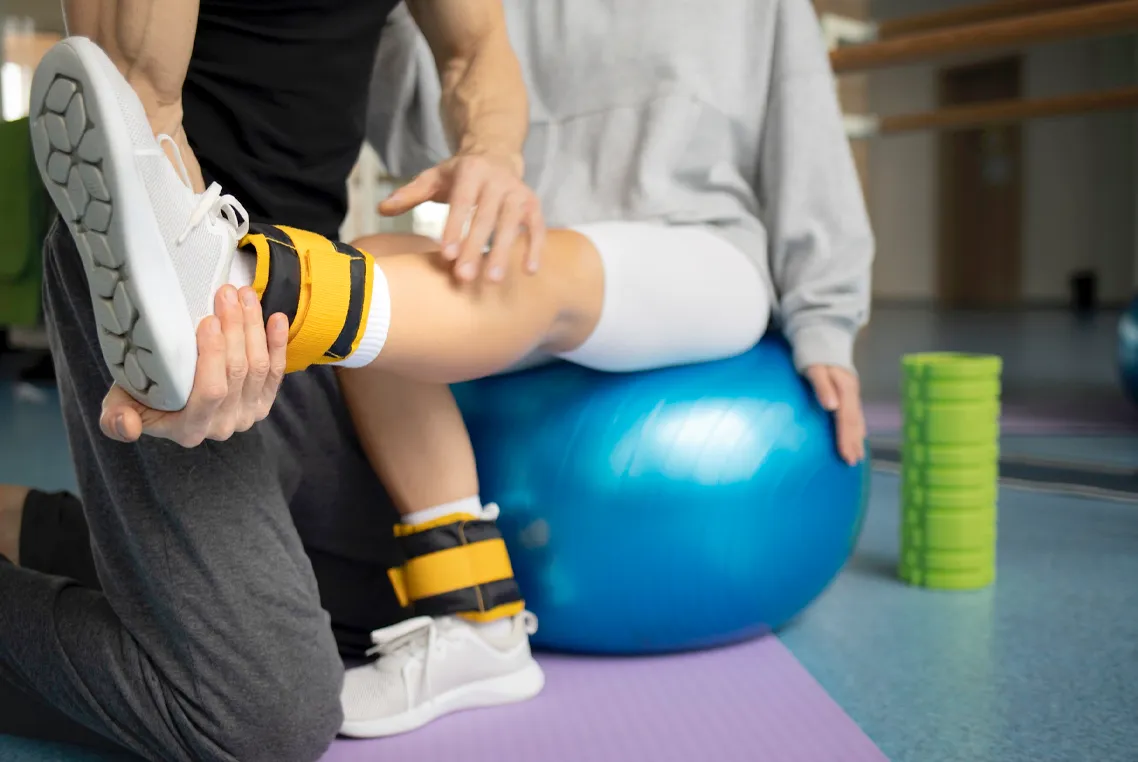
You’ve been thinking about a career shift—one that’s more hands-on, more fulfilling, and grounded in helping others feel and move better. Sports massage ticks all the boxes, but with so many course providers out there, choosing the right training isn’t as straightforward as it seems.
If you’re researching the best sports massage courses Dublin has to offer, you need more than a brochure. You need to know which programmes deliver real skills, recognised qualifications, and the kind of support that sets you up for long-term success.
It’s easy to assume that the best course is simply the one with the highest price tag or the most glowing reviews. But when it comes to sports massage, quality depends on a few essential factors: accreditation, curriculum depth, practical training, and post-course support.
Whether you’re looking to build a new career or add to your current qualifications, a top-tier course should give you the confidence and tools to work with real clients safely and effectively. It should also help you meet industry standards, opening doors for insurance, employment, and further study.
So, where do you begin your search for quality? One of the first crucial steps is understanding the importance of accreditation.
Accreditation isn’t just a box-ticking exercise. It’s a sign that a course has been reviewed for quality, safety, and relevance by an external body. When you complete an accredited programme, you know that your training meets accepted standards in the profession.
This matters when applying for insurance, registering with industry bodies, or progressing to more advanced qualifications. It also gives your clients peace of mind, knowing that their therapist has completed a legitimate, high-quality training pathway.
So, what should you actually look for? In Ireland, it’s a good idea to choose courses aligned with national or European qualification frameworks like QQI (Quality and Qualifications Ireland) or the EQF (European Qualifications Framework). These frameworks define the level and credibility of your certification, making it easier to compare and recognise qualifications across countries.
This kind of external recognition means that the course content, assessments, and delivery methods have been rigorously evaluated. It gives you the confidence that your qualification is professional, credible, and ready for real-world work.
Once you’ve confirmed a course is properly accredited, it’s worth looking closely at what you’ll actually be learning. Sports massage training goes well beyond the basics of massage strokes. To work effectively in this space, you’ll need to understand anatomy and physiology, injury patterns, pain management, and client communication.
A comprehensive course will typically include:
You should also expect to be trained in how to recognise when a client should be referred to a different healthcare professional. Being able to work as part of a broader care team is a skill that employers value highly.
A strong theoretical foundation is important. But sports massage therapy is, above all, a hands-on profession. That’s why practical training is a non-negotiable part of any serious course.
Good courses don’t stop at a few demonstrations or classroom exercises. They include regular, supervised hands-on sessions where students practise techniques under expert guidance. You’ll need to learn how to assess tissue, apply varying levels of pressure, and adapt your treatment based on individual client needs.
Expect to work with real scenarios: sports injuries, post-exercise recovery, and common musculoskeletal conditions. This kind of experience helps you build confidence not just in your technique but in your ability to handle clients professionally. While it may seem advanced, these skills are taught progressively even to students with no background in massage or anatomy.
The short answer is yes. Many massage courses in Dublin are designed for complete beginners with no prior qualifications required. What you will need is a genuine interest in the human body, a willingness to learn, and the physical capacity to practise techniques.
If you already have a background in fitness, anatomy, or physical therapy, you may find the material easier to absorb, but it’s not essential. Good courses are structured to bring all students up to the same standard, regardless of where they start.
If you’re coming from a different background, you’ll be glad to know that most beginner-friendly programmes are paced to allow plenty of time for skill development. Concepts like anatomy, palpation, and massage technique are introduced gradually, with hands-on practice and instructor guidance to help you build confidence step by step. You’re not expected to get it all right away. You’re expected to learn with support.
When deciding which course is right for you, it’s not just about what you’ll learn but whether the format fits your life. Many students exploring sports massage training are working adults—fitness instructors, personal trainers, or those changing careers. That’s why course flexibility is more important than ever.
Thankfully, some providers in Dublin offer part-time or weekend massage training, making it easier to study around other responsibilities. These formats can take longer to complete, but they allow you to learn at a manageable pace without sacrificing the quality of your training.
Whether you choose a condensed programme or a longer-term format, make sure the course includes the same depth of content and hands-on instruction. Remember that shortcuts might be tempting, but proper preparation takes time.
Choosing the right format is important, but the people delivering your training matter just as much. The best sports massage instructors aren’t just knowledgeable. They have worked in real clinical or sports settings and know what it takes to succeed on the job.
Learning from someone who’s been there means you’ll get more than just textbook theory. You’ll learn techniques that work in real scenarios, get feedback that actually helps you improve, and hear insights from challenging cases. That kind of mentorship is hard to replace.
Support doesn’t end when class does, either. A strong training programme also offers accessible guidance throughout your course and beyond. This might include smaller class sizes for more individual attention, one-to-one check-ins, or help navigating next steps after graduation.
Some providers also offer career guidance, CPD opportunities, or alumni networks that help you stay connected and keep learning. When this kind of comprehensive support is thoughtfully built into a programme, you’re not just getting trained. You’re being set up for long-term success as a confident, capable, and connected therapist. This comprehensive approach is exactly what many professionals in the field look for.
There are several paths to becoming a qualified sports massage therapist, but not all programmes offer the same level of training or recognition. The best sports massage courses Dublin professionals value tend to be those with a track record of producing confident, capable graduates ready to step into real-world practice.
Programmes that form part of a broader neuromuscular therapy qualification are often valued in the wellness and fitness community for their comprehensive scope. They not only equip students with massage skills but also introduce them to client assessment, injury rehabilitation support, and soft tissue dysfunction management.
Courses like these stand out not just for their content but for their structure and delivery. They are designed to meet the needs of adult learners without compromising on rigour.
With multiple institutions offering sports massage qualifications, it can be difficult to know where to begin. Start by asking the right questions:
You should also consider the support offered during and after the course. Do tutors provide feedback and mentorship? Is there help with placements, insurance, or registration? The answers will give you a clearer picture of the value on offer.
Once you’re qualified, there are many ways to use your new skills. Sports massage therapists work in:
Some therapists choose to become self-employed, building their own client base and setting their own hours. Others go on to study more advanced specialisations, such as neuromuscular therapy, allowing them to treat complex musculoskeletal issues and work closely with physiotherapists and GPs.
Remember, a high-quality sports massage qualification can open multiple doors. It’s just a matter of choosing the path that fits your goals.
In conclusion, the best Dublin sports massage courses aren’t necessarily the most expensive or the most well-advertised. They are the ones that meet you where you are, support your learning, and prepare you for real-life practice.
Whether you’re starting a new chapter or adding a valuable skill to your toolkit, make sure the course you choose reflects your standards, your ambitions, and your commitment to quality care.
Ready to take the next step? Explore the sports massage courses Dublin professionals trust—available at NTC. Call 01 882 7777 or click here to start building a career you can be proud of.
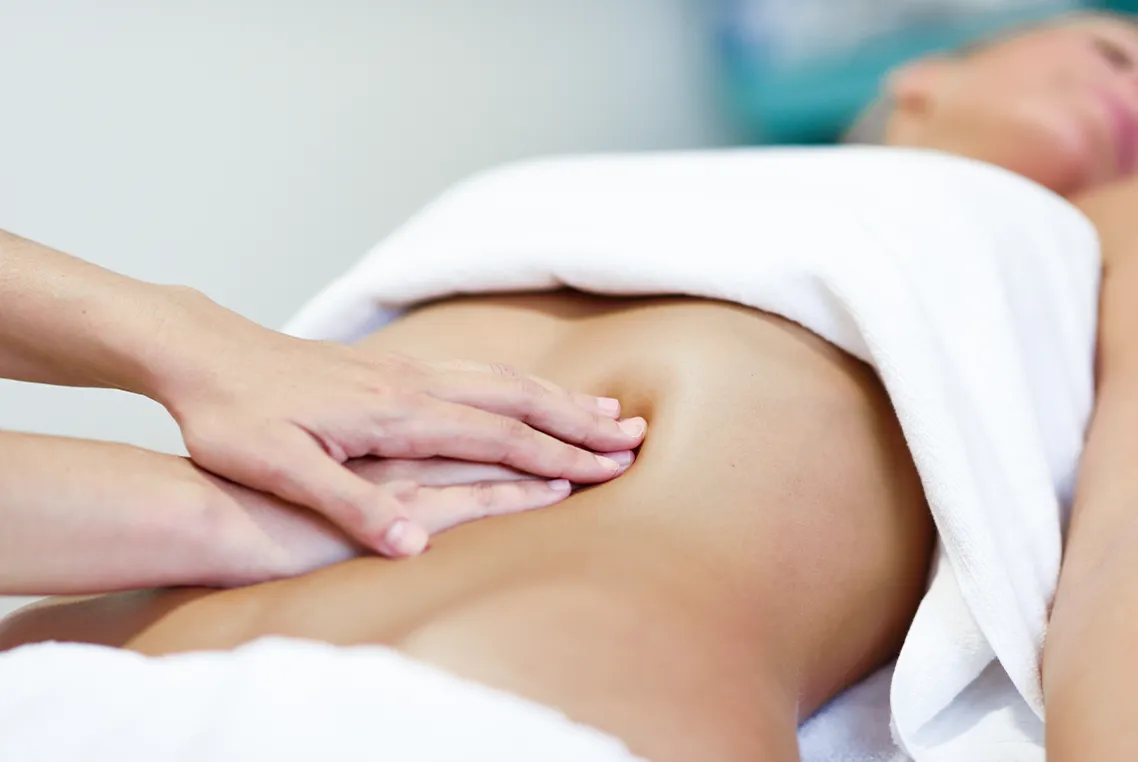
ONSITE LESSONS
Practical classes take place either at NTC or SPORTSCO, Ringsend, Dublin 4
Saturday from 10:30am to 1pm and 2pm to 4:30pm
July 2025 – 26th♦
August 2025 – 9th, 16th, 23rd, 30th
September 2025 – 6th, 13th, 20th, 27th
October 2025 – 4th, 11th, 18th♦, 25th
November 2025 – 1st, 8th♦, 15th, 22nd, 29th, 30th
December 2025 – 6th & 7th
Examinations and/or class will start at 9:30am on dates indicated with ♦
ONLINE LESSONS
Tuesday and Thursday Evenings from 7pm to 9pm
(Recordings available afterwards)
July 2025 – 29th, 31st
August 2025 – 5th, 7th, 12th, 14th, 19th, 21st, 26th, 28th
September 2025 – 2nd, 4th, 9th, 11th, 16th, 18th, 23rd, 25th, 30th
October 2025 – 2nd, 7th, 9th, 14th, 16th, 21st, 23rd
OPTIONAL FREE COURSE
National Qualification in Kettlebell Training
November 2nd, 2025 – Sunday from 10:00-17:00